Why Black Mold Is a Serious Threat in Houston
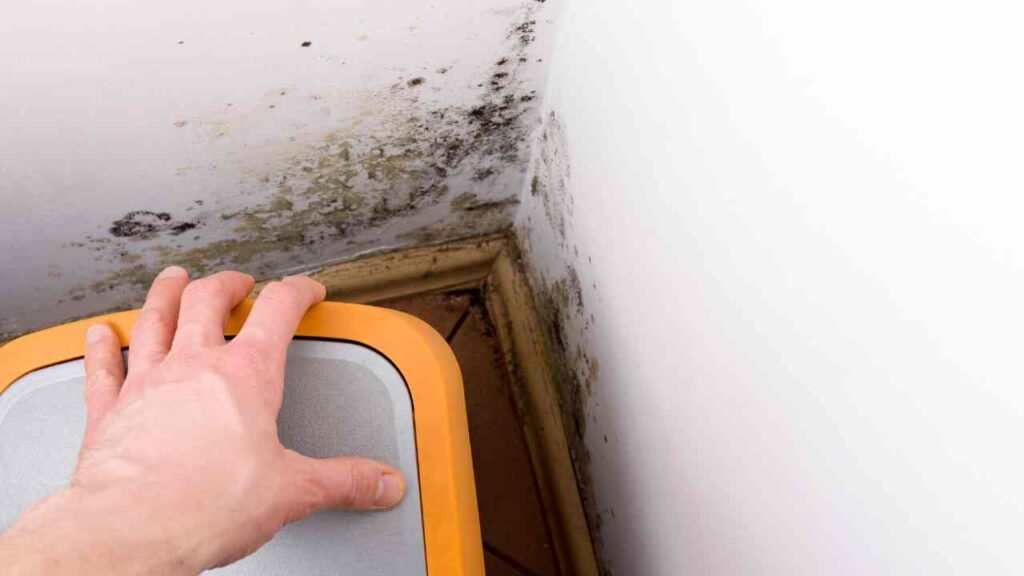
Houston’s climate, hot, humid, and prone to flooding, makes it one of the highest-risk cities in the country for mold growth. Black mold, scientifically known as Stachybotrys chartarum, thrives in persistently moist environments and can colonize building materials rapidly following any water damage event.
What makes black mold particularly dangerous is that it often grows in hidden areas, inside walls, beneath flooring, behind cabinetry, inside HVAC ductwork, where it can go undetected for months while spreading and releasing mycotoxins into the air. Prolonged exposure to black mold has been linked to respiratory issues, chronic fatigue, headaches, skin and eye irritation, and more serious long-term health effects in vulnerable individuals.
Surface treatments, household bleach, and DIY removal methods do not solve a black mold problem. They may reduce visible mold temporarily while leaving spores, root structures, and moisture conditions fully intact. Effective mold remediation requires professional equipment, proper containment, and certified expertise.
⭐⭐⭐⭐⭐ “They found mold inside my walls I had no idea was there. The whole process was professional, safe, and the air test at the end confirmed it was completely gone.”
Sandra L., Katy TX
Our Black Mold Remediation Process
Thorough Mold Inspection & Assessment
We begin with a comprehensive mold inspection in Houston using thermal imaging cameras, moisture meters, and air quality testing to locate all mold growth, including colonies hidden inside walls and other inaccessible areas. We identify the moisture source driving the mold growth, because treating mold without addressing its cause guarantees it will return.
Full Containment Setup
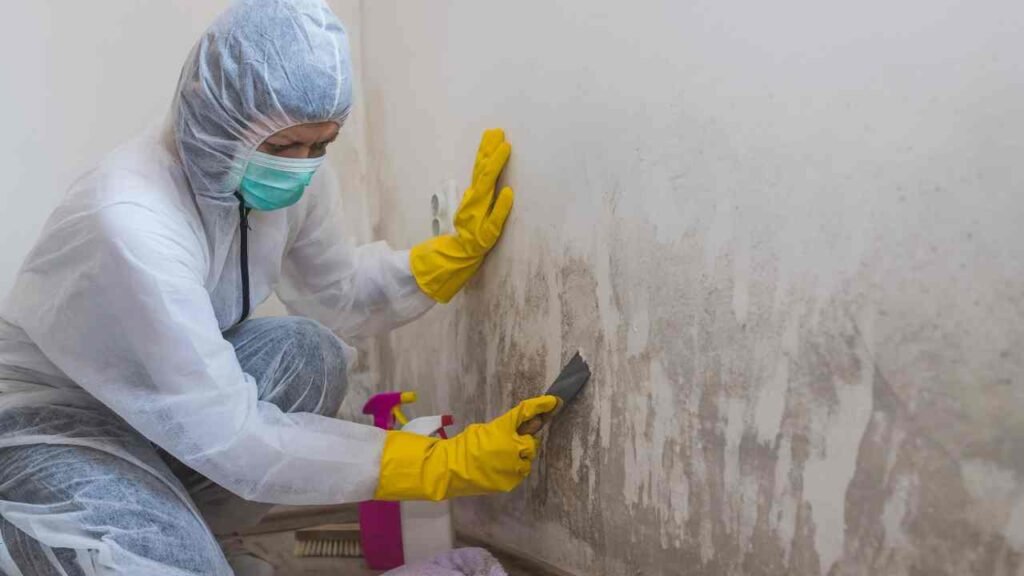
Before any removal begins, we establish proper containment barriers using 6-mil polyethylene sheeting and negative air pressure systems. This prevents mold spores from becoming airborne and spreading to unaffected areas of your property during the remediation process.
HEPA Air Filtration
We run HEPA filtration equipment throughout the workspace to capture airborne mold spores at the microscopic level, improving air quality inside the property for both our team and the building’s occupants.
Mold Removal & Material Disposal
All mold-affected materials are carefully removed. Porous materials — drywall, insulation, carpet — that cannot be fully cleaned are removed and disposed of according to industry standards and local regulations. Non-porous materials that can be restored are treated and cleaned thoroughly.
EPA-Approved Antimicrobial Treatment
All surfaces in the affected area — and adjacent areas where spore spread is possible — are treated with EPA-approved antifungal and antimicrobial solutions designed to kill mold at its root structure and create an environment inhospitable to future mold growth.
Moisture Source Remediation
We identify and address the underlying moisture source that allowed mold to grow. Whether that is a plumbing leak, inadequate ventilation, or residual moisture from a past flood event, fixing the source is what prevents the mold from returning.
Post-Remediation Air Testing & Clearance
Once remediation is complete, we conduct post-remediation verification to confirm that mold spore levels throughout the property are within safe, acceptable limits. You receive documentation confirming clearance, giving you, your family, and your insurance company proof that the remediation was successful.
📞 Found mold in your home or business? Call Raus Restoration: (346) 484-8269 | Safe & Certified Mold Removal | Serving Houston, Katy, The Woodlands & Harris County
Signs You May Have Black Mold
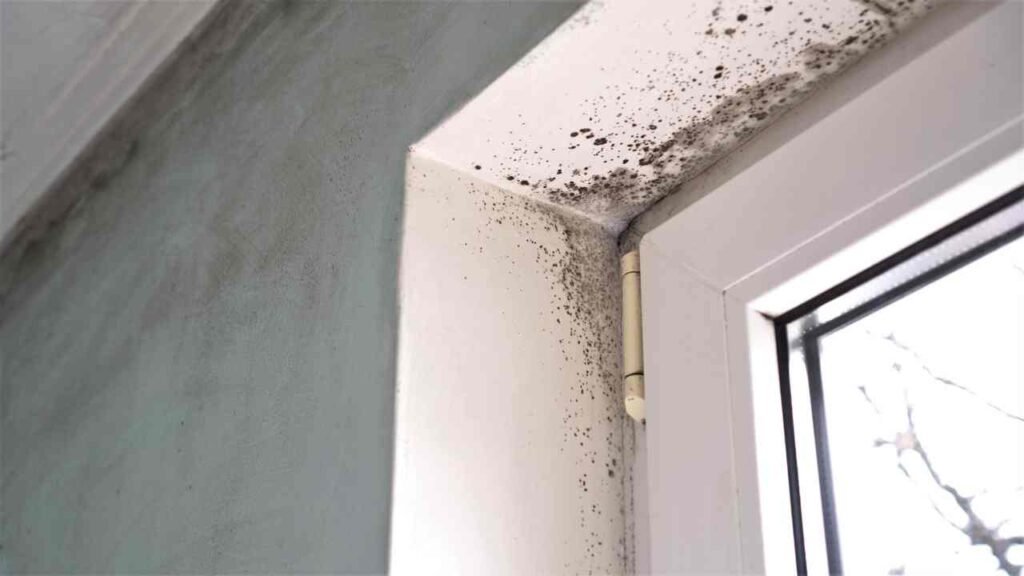
- Visible Dark Spots or Patches: Black, green, or dark gray spots on walls, ceilings, or around windows, particularly in areas with a history of moisture.
- Persistent Musty Odor: A strong, musty smell in certain rooms or areas of your property, even when nothing appears visually wrong.
- Recurring Respiratory Symptoms: Household members experiencing unexplained coughing, sneezing, congestion, or worsening allergy symptoms that improve when away from home.
- History of Water Damage or Flooding: Properties that have experienced flooding, leaks, or poor drainage are at elevated risk for hidden mold growth, even years after the water event.
- Wallpaper Peeling or Paint Bubbling: Moisture trapped behind walls causes peeling, bubbling, or discoloration that often indicates mold growth in the wall cavity.
- Water Stains on Ceilings or Walls: Old or current water stains are strong indicators of moisture intrusion that may have already created mold growth conditions.
⭐⭐⭐⭐⭐ “Excellent customer service and incredible attention to detail. They did not just clean the surface — they fixed the moisture issue causing it. No mold has returned.”
Robert H., Houston TX
Residential & Commercial Black Mold Remediation in Houston
Mold is a serious concern for both homeowners and commercial property managers in Houston. For residential clients, we treat every home with the respect and care it deserves, keeping you informed, protecting your belongings, and working efficiently to minimize disruption to your household.
For commercial mold remediation in Houston, we understand the operational pressures involved. Mold in a commercial building is a liability issue, a health code concern, and a reputational risk. We work quickly, professionally, and with the documentation standards commercial clients and their insurers require. We have served offices, multi-family residential buildings, retail spaces, and commercial facilities throughout Harris County.
Insurance Assistance for Mold Remediation Claims
Mold remediation insurance claims can be complex, coverage often depends on the cause of the mold and the circumstances of the moisture event. Raus Restoration provides thorough documentation of mold extent, moisture readings, affected materials, and remediation procedures to support your claim. We work directly with your insurance carrier and can help clarify what is and is not covered under your specific policy.
Mold Remediation Across Houston & Harris County
We provide black mold removal and remediation services throughout Houston, Katy, The Woodlands, Cypress, Pearland, Sugar Land, Conroe, Spring, and all of Harris County. Houston’s year-round humidity and frequent weather events make mold a persistent threat, do not wait for it to spread further.
⭐⭐⭐⭐⭐ “After our flooding, mold started growing fast. Raus was there quickly, contained it completely, and the clearance test came back clean. Highly recommend.”
Cheryl D., Pearland TX
Block Mold Removal & Remediation Houston Service Related FAQs
Is black mold dangerous to my family’s health?
Black mold (Stachybotrys chartarum) produces mycotoxins that can cause respiratory problems, skin irritation, chronic fatigue, and headaches with prolonged exposure. Individuals with asthma, allergies, or compromised immune systems are especially vulnerable. Prompt professional removal is strongly recommended.
Can I remove black mold myself?
DIY mold removal using household bleach or store-bought products is not effective for black mold infestations. These methods address only surface-level mold while leaving spores, root structures, and moisture conditions intact. Without proper containment, DIY attempts often spread mold spores to unaffected areas. Professional remediation is the only reliable solution.
How long does mold remediation take in Houston TX?
Smaller mold remediation jobs can be completed in one to two days. Larger infestations involving multiple rooms, extensive structural materials, or hidden mold inside walls can take three to five days or longer. We provide a clear timeline estimate after our initial inspection.
Will mold come back after remediation?
Mold will not return if the underlying moisture source is identified and corrected as part of the remediation process. Raus Restoration addresses both the mold and the moisture cause, not just the visible growth. If the moisture problem is not fixed, mold can return regardless of how thoroughly the remediation is performed.
Does homeowner’s insurance cover mold remediation?
Coverage depends on the cause. If mold resulted from a sudden, covered event like a burst pipe, your insurance may cover remediation. Mold from long-term neglect or gradual leaks is typically not covered. We document everything thoroughly and work with your insurer to ensure you receive the maximum benefit available under your policy.
How do I know if I have black mold or regular mold?
Mold identification requires laboratory testing, you cannot reliably determine mold species by appearance alone. Our inspection process includes air quality testing and, where necessary, surface sampling to identify the mold species present. What matters most is not the specific species but the extent of growth and the moisture conditions driving it.